
Fb-Button
Moody Blues Archives - Classic Rock Guitar

Tag: Moody Blues

  • Moody Blues – Nights In White Satin

    Moody Blues – Nights In White Satin

    The Moody Blues and the Enduring Legacy of “Nights in White Satin”

    Few songs in rock history evoke the same level of emotional depth and timeless appeal as “Nights in White Satin” by The Moody Blues. This iconic track, released in 1967 as part of the album Days of Future Passed, not only defined the band’s career but also left an indelible mark on the evolution of progressive rock and symphonic music in popular culture.

    Origins and Meaning of “Nights in White Satin”

    Written by Justin Hayward, who had recently joined The Moody Blues in 1966, “Nights in White Satin” was deeply personal in nature. Hayward, just 19 at the time, penned the song after receiving a set of white satin sheets as a gift from a former girlfriend. The song captures the themes of unrequited love, longing, and the passage of time, expressed through poetic lyrics and an atmospheric arrangement.

    The song’s dreamlike quality is heightened by the lush orchestration, courtesy of The London Festival Orchestra, which was integrated into Days of Future Passed—a groundbreaking concept album that fused rock with classical elements. This orchestral fusion, particularly the use of Mellotron (an instrument that mimicked the sound of strings), contributed to the song’s ethereal, melancholic feel, which resonated deeply with listeners.

    How “Nights in White Satin” Influenced The Moody Blues’ Career

    Upon its initial release in 1967, “Nights in White Satin” received moderate success in the UK, peaking at No. 19. However, it took several years for the song to achieve its full impact. When re-released in the United States in 1972, it soared to No. 2 on the Billboard Hot 100, cementing its status as an enduring classic.

    This newfound success propelled The Moody Blues into international stardom, allowing them to tour extensively and reach a much broader audience. The song’s haunting beauty and introspective lyrics resonated with fans, setting the band apart from other groups of the era.

    Nights in White Satin also helped legitimize the concept album format, as Days of Future Passed was among the first rock albums to be recorded as a continuous musical piece rather than a collection of separate songs. This innovative approach influenced progressive rock bands such as Pink Floyd, Genesis, and Yes, all of whom would later expand on the fusion of rock and orchestral music.

    The Song’s Lasting Impact

    Decades after its release, “Nights in White Satin” remains one of the most celebrated and frequently played songs in rock history. It has been covered by various artists, featured in films, television series, and commercials, and continues to evoke deep emotions in listeners worldwide.

    For The Moody Blues, the song became their signature piece—an anthem that defined their career and established their legacy in rock history. Even as they explored different musical directions in subsequent albums, the influence of “Nights in White Satin” never waned. It remains a testament to the band’s artistic vision and ability to craft music that transcends time.

    Conclusion

    The Moody Blues’ “Nights in White Satin” is more than just a song—it’s a musical experience that speaks to the soul. With its haunting melodies, evocative lyrics, and lush orchestration, it played a pivotal role in shaping the band’s career and leaving an indelible mark on rock history. Over 50 years later, it continues to captivate audiences, proving that some music is truly timeless.

    Moody Blues - Nights In White Satin
  • The Moody Blues – Your Wildest Dreams

    The Moody Blues – Your Wildest Dreams

    The Moody Blues

    The Moody Blues are an English rock band formed in Birmingham in 1964. The group’s lineup has included many different members over the years, but the core lineup has always consisted of singer-songwriter Justin Hayward, drummer Graeme Edge, and bassist John Lodge.

    The Moody Blues are best known for their innovative blend of rock music and classical orchestration, which they dubbed “symphonic rock.” Their most successful album, “Days of Future Passed,” was released in 1967 and featured the hit single “Nights in White Satin.” The album was a breakthrough success and established the Moody Blues as one of the leading bands of the psychedelic rock era.

    Throughout the 1970s and 1980s, the Moody Blues continued to release popular albums and singles, including “Question,” “The Story in Your Eyes,” and “Your Wildest Dreams.” In the 1990s, the group took a hiatus from touring and recording, but they returned to the stage in the 2000s and continue to perform to this day.

    In addition to their musical accomplishments, the Moody Blues are known for their philanthropic efforts, including support for environmental and charitable organizations. They were inducted into the Rock and Roll Hall of Fame in 2018.

    Overall, the Moody Blues are a legendary rock band with a long and varied career. Their unique blend of rock and classical influences has made them a major influence on subsequent generations of musicians, and they remain popular with fans of all ages.

    “Your Wildest Dreams” is a song by the English rock band The Moody Blues. It was written by Justin Hayward and released as a single in 1986, reaching the top 40 in the UK and the US. The song was also included on the band’s album “The Other Side of Life,” which was released the same year.

    “Your Wildest Dreams” is a mid-tempo rock ballad with a catchy melody and emotive lyrics. The song’s lyrics explore the theme of love and the idea that anything is possible if you believe in yourself and follow your dreams. The song’s chorus, which repeats the phrase “anything is possible if you want it enough,” is particularly memorable and has become a fan favorite.

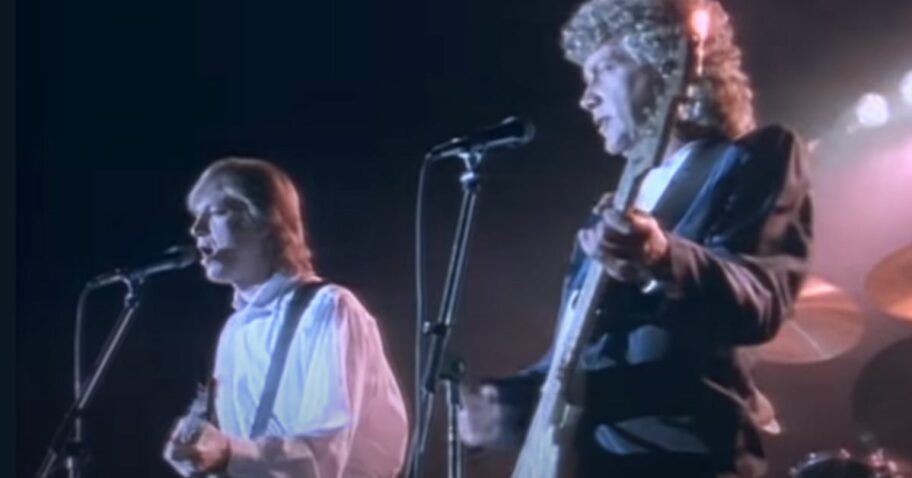
    “Your Wildest Dreams” was a hit for the Moody Blues and received positive reviews upon its release. It has since become one of the band’s most popular and enduring songs, and is still played frequently on classic rock radio stations. The song’s music video, which features the band performing the song in a futuristic setting, also received significant airplay on music video channels at the time of its release.

  • Moody Blues – Nights In White Satin

    Moody Blues – Nights In White Satin

    Moody Blues

    The Moody Blues were an English rock band formed in Birmingham in 1964, initially consisting of keyboardist Mike Pinder, multi-instrumentalist Ray Thomas, guitarist Denny Laine, drummer Graeme Edge and bassist Clint Warwick. The group came to prominence playing rhythm and blues. They made some changes in musicians but settled on a line-up of Pinder, Thomas, Edge, guitarist Justin Hayward and bassist John Lodge, who stayed together for most of the band’s “classic era” into the early 1970s. Edge was the group’s sole continuous member throughout their entire history.

    Their second album, Days of Future Passed, which was released in 1967, was a fusion of rock with classical music which established the band as pioneers in the development of art rock and progressive rock.[2][9] It has been described as a “landmark” and “one of the first successful concept albums”.[2] The group toured extensively through the early 1970s, then took an extended hiatus from 1974 until 1977. Founder Mike Pinder left the group a year after they re-formed and was replaced by Swiss keyboardist Patrick Moraz in 1978. In the following decade they took on a more synth-pop sound and produced The Other Side of Life in 1986, which made them the first act to earn each of its first three top-10 singles in the United States in a different decade. Health troubles led to a diminished role for founder Ray Thomas throughout the 1980s, though his musical contributions rebounded after Moraz departed in 1991. Thomas retired from the band in 2002.

    The band’s last album was the Christmas album December (2003), after which they decided against recording any further studio albums.[11] However, they continued to tour throughout the 2000s and later reunited periodically for events, one-off concerts, short tours and cruises, until Edge’s retirement in 2018;[12] he died in 2021.

    The Moody Blues’ most successful singles include “Go Now”, “Nights in White Satin”, “Tuesday Afternoon”, “Question”, “Gemini Dream”, “The Voice”, “Your Wildest Dreams” and “I’m Just a Singer (In a Rock and Roll Band)”. The band has sold 70 million albums worldwide,[13] which includes 18 platinum and gold LPs. They were inducted into the Rock and Roll Hall of Fame in 2018.

  • MOODY BLUES – MELANCHOLY MAN

    MOODY BLUES – MELANCHOLY MAN

    MOODY BLUES – MELANCHOLY MAN

    Moody Blues

    The Moody Blues have had a long and storied career in the world of music. Their unique blend of rock, classical, and psychedelic influences has earned them a dedicated fanbase and critical acclaim. But have you ever stopped to wonder just how they managed to achieve such longevity and success?

    To understand the magic of the Moody Blues, one must first understand the band’s origins. Formed in the mid-1960s, the band was a product of its time – a time when music was in the midst of a revolution. The Beatles had just introduced the world to psychedelic rock, and bands like the Rolling Stones were pushing the boundaries of what was possible with the electric guitar. The Moody Blues were no exception, but they added a touch of class to the mix.

    With their intricate harmonies and lush orchestrations, the Moody Blues were like a symphony in rock and roll clothing. Their music was a fusion of the old and the new, like a classical piece played on electric guitars. It was a sound that was both familiar and fresh, like a favorite childhood story retold with new twists and turns.

    But the Moody Blues weren’t just about the music. They were also about the message. Their lyrics dealt with themes of love, loss, and the search for meaning in a world that often seemed chaotic and senseless. They asked the big questions and didn’t shy away from the hard truths. They were a band for the thinkers, the dreamers, and the seekers.

    And it was this combination of musical innovation and poetic depth that made the Moody Blues stand out from the crowd. They were not just a band, they were a movement. They inspired a generation of musicians and fans to think outside the box, to challenge the status quo, and to seek out something more meaningful in their lives.

    So, next time you listen to the Moody Blues, remember that they weren’t just making music. They were making a difference. They were painting a picture of a world where anything is possible, and where the only limits are the ones we set for ourselves. They were a band that, like a beacon in the night, guided us on our journey through the stormy seas of life, inviting us to believe in a better tomorrow.

    We appreciate your time and dedication in reading our article to its conclusion. For more of the finest classic rock music, make sure to follow our Facebook page, “Classic Rock Guitar”. We share exceptional selections every day. Thank you once again for your continued support and readership.

  • The Moody Blues – Your Wildest Dreams

    The Moody Blues – Your Wildest Dreams

    The Moody Blues - Your Wildest Dreams

    The Moody Blues

    The Moody Blues are an English rock band formed in Birmingham in 1964. The group’s lineup has included many different members over the years, but the core lineup has always consisted of singer-songwriter Justin Hayward, drummer Graeme Edge, and bassist John Lodge.

    The Moody Blues are best known for their innovative blend of rock music and classical orchestration, which they dubbed “symphonic rock.” Their most successful album, “Days of Future Passed,” was released in 1967 and featured the hit single “Nights in White Satin.” The album was a breakthrough success and established the Moody Blues as one of the leading bands of the psychedelic rock era.

    Throughout the 1970s and 1980s, the Moody Blues continued to release popular albums and singles, including “Question,” “The Story in Your Eyes,” and “Your Wildest Dreams.” In the 1990s, the group took a hiatus from touring and recording, but they returned to the stage in the 2000s and continue to perform to this day.

    In addition to their musical accomplishments, the Moody Blues are known for their philanthropic efforts, including support for environmental and charitable organizations. They were inducted into the Rock and Roll Hall of Fame in 2018.

    Overall, the Moody Blues are a legendary rock band with a long and varied career. Their unique blend of rock and classical influences has made them a major influence on subsequent generations of musicians, and they remain popular with fans of all ages.

    “Your Wildest Dreams” is a song by the English rock band The Moody Blues. It was written by Justin Hayward and released as a single in 1986, reaching the top 40 in the UK and the US. The song was also included on the band’s album “The Other Side of Life,” which was released the same year.

    “Your Wildest Dreams” is a mid-tempo rock ballad with a catchy melody and emotive lyrics. The song’s lyrics explore the theme of love and the idea that anything is possible if you believe in yourself and follow your dreams. The song’s chorus, which repeats the phrase “anything is possible if you want it enough,” is particularly memorable and has become a fan favorite.

    “Your Wildest Dreams” was a hit for the Moody Blues and received positive reviews upon its release. It has since become one of the band’s most popular and enduring songs, and is still played frequently on classic rock radio stations. The song’s music video, which features the band performing the song in a futuristic setting, also received significant airplay on music video channels at the time of its release.

  • MOODY BLUES – MELANCHOLY MAN

    MOODY BLUES – MELANCHOLY MAN

    Moody Blues

    The Moody Blues have had a long and storied career in the world of music. Their unique blend of rock, classical, and psychedelic influences has earned them a dedicated fanbase and critical acclaim. But have you ever stopped to wonder just how they managed to achieve such longevity and success?

    To understand the magic of the Moody Blues, one must first understand the band’s origins. Formed in the mid-1960s, the band was a product of its time – a time when music was in the midst of a revolution. The Beatles had just introduced the world to psychedelic rock, and bands like the Rolling Stones were pushing the boundaries of what was possible with the electric guitar. The Moody Blues were no exception, but they added a touch of class to the mix.

    With their intricate harmonies and lush orchestrations, the Moody Blues were like a symphony in rock and roll clothing. Their music was a fusion of the old and the new, like a classical piece played on electric guitars. It was a sound that was both familiar and fresh, like a favorite childhood story retold with new twists and turns.

    But the Moody Blues weren’t just about the music. They were also about the message. Their lyrics dealt with themes of love, loss, and the search for meaning in a world that often seemed chaotic and senseless. They asked the big questions and didn’t shy away from the hard truths. They were a band for the thinkers, the dreamers, and the seekers.

    And it was this combination of musical innovation and poetic depth that made the Moody Blues stand out from the crowd. They were not just a band, they were a movement. They inspired a generation of musicians and fans to think outside the box, to challenge the status quo, and to seek out something more meaningful in their lives.

    So, next time you listen to the Moody Blues, remember that they weren’t just making music. They were making a difference. They were painting a picture of a world where anything is possible, and where the only limits are the ones we set for ourselves. They were a band that, like a beacon in the night, guided us on our journey through the stormy seas of life, inviting us to believe in a better tomorrow.