Fb-Button
The Who Archives - Page 2 of 2 - Classic Rock Guitar

Tag: The Who

  • THE WHO – I CAN’T EXPLAIN

    THE WHO – I CAN’T EXPLAIN

    The Who

    “I Can’t Explain” is a timeless classic that perfectly captures the energy and excitement of the British Invasion. Released in 1965, the song features the iconic vocals of frontman Roger Daltrey and the innovative guitar work of Pete Townshend.

    The song opens with a driving guitar riff that is instantly recognizable. The energy and excitement of the song is palpable from the very first note, and it’s easy to see why it became an instant hit. The lyrics are simple but effective, with Daltrey singing about his inability to explain his feelings for a woman.

    One of the standout aspects of the song is Townshend’s guitar work. He employs a number of innovative techniques, including the use of power chords and feedback, to create a sound that is both powerful and melodic. The guitar solo in the middle of the song is a thing of beauty, with Townshend’s fingers flying across the fretboard.

    Lyrically, “I Can’t Explain” is a perfect example of the simplicity of great rock and roll. The lyrics are straightforward and easy to understand, but they still manage to convey a sense of longing and desire. Daltrey’s vocals are full of passion and intensity, making the song feel like a plea from the heart.

    “I Can’t Explain” is a song that has stood the test of time. Its driving beat and catchy guitar riffs have made it a favorite among fans of rock and roll, and its influence can still be heard in modern music. The song’s success helped to establish The Who as one of the most important bands of the 1960s, and their impact on the music world is still felt today.

    The Who’s “I Can’t Explain” is a classic rock and roll song that perfectly captures the energy and excitement of the British Invasion. The driving guitar riffs, passionate vocals, and simple but effective lyrics make it a timeless classic that still resonates with music fans today. If you’re looking for a song that will get you moving and make you feel alive, “I Can’t Explain” is the perfect choice.

    We appreciate your time and dedication in reading our article to its conclusion. For more of the finest classic rock music, make sure to follow our Facebook page, “Classic Rock Guitar”. We share exceptional selections every day. Thank you once again for your continued support and readership.

  • THE WHO – PINBALL WIZARD

    THE WHO – PINBALL WIZARD

    The Who

    “Pinball Wizard” is a classic rock anthem written and performed by The Who. It was first released in 1969 as a single from their rock opera album “Tommy.” The song’s lyrics tell the story of a deaf, dumb and blind boy who becomes a master pinball player.

    The song’s catchy, upbeat tempo and powerful guitar riffs make it a fan favorite and a staple of classic rock radio. It has been covered by numerous artists and has been featured in films and television shows.

    One of the most notable things about “Pinball Wizard” is its use of a pinball machine as a metaphor for the struggles and triumphs of the human experience. The song’s protagonist, the deaf, dumb and blind boy, is able to overcome his limitations and become a master at something through hard work and determination. This message of overcoming obstacles and achieving success is one that resonates with many listeners.

    In addition to its powerful lyrics, “Pinball Wizard” also showcases The Who’s talents as musicians. The song’s energetic drumming, driving bassline, and guitar riffs make it one of the band’s most iconic and recognizable songs.

    Overall, “Pinball Wizard” is a classic rock anthem that continues to be beloved by fans and music enthusiasts. Its powerful lyrics and catchy, upbeat tempo make it a timeless classic that will be enjoyed for generations to come.
    We appreciate your time and dedication in reading our article to its conclusion. For more of the finest classic rock music, make sure to follow our Facebook page, “Classic Rock Guitar”. We share exceptional selections every day. Thank you once again for your continued support and readership.

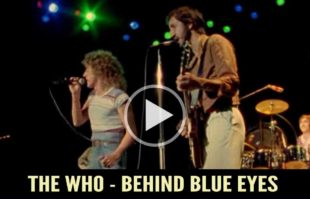
  • The Who – Behind Blue Eyes

    The Who – Behind Blue Eyes

    Engage your senses: Press play on the video, then stimulate your brain with the article.

    The Who

    The Who is a rock formation founded in 1964. Her first line-up is Pete Townshend, Roger Daltrey, John Entwistle and Keith Moon. The Who is considered to be one of the best bands of all time – their work was inspired by many later groups.
    The origins of the band are the duo The Confederates founded by Townshend and Entwistle. The latter was noticed by Roger Daltrey and invited to his project called The Detours. Entwistle agreed and brought Townshend with him. The Detours was inspired by American blues and country music, and in 1964 they changed their name to The Who. Keith Moon then joined them.
    In the same year, the gentlemen became The High Numbers for a while and under this name they released the single “Zoot Suit / I’m The Face”. However, after the song was unsuccessful, the musicians fired the manager and reverted to the name The Who. One of the “ritual” activities during the group’s concerts was smashing the instruments. It was initiated in September 1964 by Pete Townshend when he smashed his guitar.

    The Who’s first single, which also became their first hit, was “I Can’t Explain”. The song was in the top ten in the UK. We could listen to the band’s debut album “My Generation” in 1965. It included such hits as the title “My Generation” or “The Kids Are Alright”. 1966 saw the next hits of The Who – “Substitute” and “I’m A Boy”, and a year later the band recorded “Happy Jack” and “Pictures Of Lilly”.

    Even though each subsequent single was equally successful, Townshend wanted to create what would become a whole made up of separate records. This is how the concept of the album “A Quick One” from 1966 was called by the band “mini opera”. Another such work is “The Who Sell Out”. However, “rock opera” could only be called the album “Tommy” released in 1969. Thanks to it, The Who became one of the biggest stars in the United States. A year later, the musicians released the album “Live At Leeds”, which is considered by some to be the best live album of all time.

    However, the greatest fame for the band was brought by the album “Who’s Next” from 1971. It got 4th place on the list of the best publishing houses in the USA and 1st place in Great Britain. The most important songs from this album are “Baba O’Riley” and “Won’t Get Fooled Again”. Another album by The Who is “Quadrophenia” released two years later. Immediately after that, the group went on a tour of the United States.

    The band returned in 1975 with the album “The Who by Numbers”, from which the recording “Squeeze Box” comes. A year later, the band played a concert at the Charlton Athletic Football Ground. The event was listed in the Guinness Book of Records as the loudest show of all time.

  • The Who’s Elegy to Illusion

    The Who’s Elegy to Illusion

    The Who’s Elegy to Illusion

    In the vast cosmos of rock and roll, “Eminence Front” by The Who burns like a fiery comet, its tail streaking with an incandescent display of emotion and wisdom. It’s a song that steps into the smoky limelight. Song that unmasking the glittering facade of fame and fortune with an audacious swagger.

    Each note strummed and chord struck is akin to a celestial body colliding, sending shockwaves through the listening universe. The hard-hitting drumbeats mimic the pulsating rhythm of a restless heart, while the swirling keyboard paints cosmic spirals of illusion and disillusion.

    Navigating The Sea of Deceit

    The lyrics craft an intricate constellation of metaphors, connecting stars of thought into a complex night sky of introspection. Lead singer Pete Townshend, with his raspy yet commanding voice, navigates this sea of deceit. He is the seasoned sailor, cautioning against the treacherous allure of the “eminence front” – the facade we construct to hide our truths.

    “Eminence Front” is a prowling lion in the musical savannah, its every move a statement, its roar the raw, unvarnished truth. The song doesn’t tiptoe around its message, but rather, it pounces, sinking its teeth into the veil of pretense and tearing it asunder.

    As the song progresses, the eminence front is personified as a capricious temptress, enticing and intoxicating. Yet, beneath her beguiling veneer lies a hollow emptiness. She’s a dance with deceit, a courtship with self-denial. Swirling under the disco lights of illusion.

    In the end, “Eminence Front” The Who stands as a profound critique. It is a wakeup call amidst the clamour of materialistic pretensions. It’s a vivid portrait of our human tendencies, of our fear of vulnerability, and our love for the eminence front. It’s a testament to The Who’s masterful ability to weave together complex themes into an unforgettable soundscape, leaving listeners with a provocative echo that resonates long after the song has played its final note.

    We appreciate your time and dedication in reading our article, “The Who’s Elegy to Illusion,” to its conclusion. For more of the finest classic rock music, make sure to follow our Facebook page, “Classic Rock Guitar”. We share exceptional selections every day. Thank you once again for your continued support and readership.

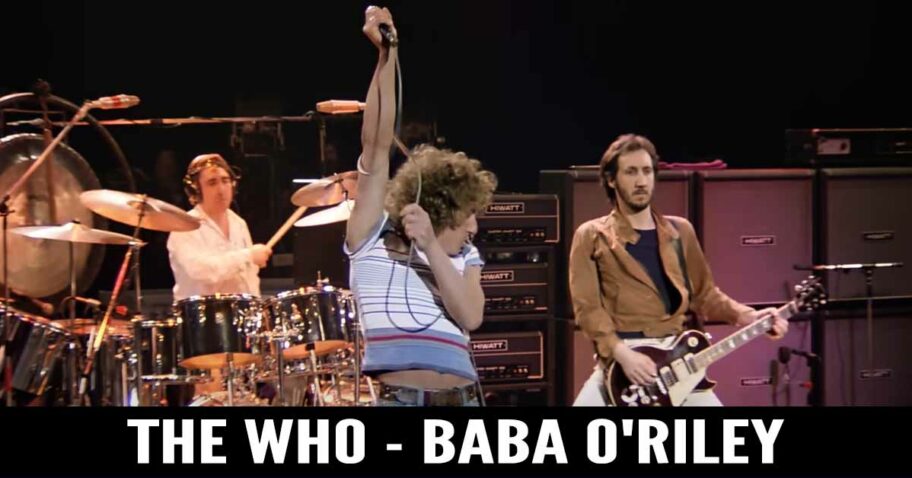
  • The Who – Baba O’Riley

    The Who – Baba O’Riley

    The Who

    The Who is a rock formation founded in 1964. Her first line-up is Pete Townshend, Roger Daltrey, John Entwistle and Keith Moon. It considered to be one of the best bands of all time – their work was inspired by many later groups.


    The origins of the band are the duo The Confederates founded by Townshend and Entwistle. The latter was noticed by Roger Daltrey and invited to his project called The Detours. Entwistle agreed and brought Townshend with him.

    The Detours was inspired by American blues and country music, and in 1964 they changed their name to The Who. Keith Moon then joined them.


    In the same year, the gentlemen became The High Numbers for a while and under this name they released the single “Zoot Suit / I’m The Face”. However, after the song was unsuccessful, the musicians fired the manager and reverted to the name The Who. One of the “ritual” activities during the group’s concerts was smashing the instruments. It was initiated in September 1964 by Pete Townshend when he smashed his guitar.

    Theirs first single, which also became their first hit, was “I Can’t Explain”. The song was in the top ten in the UK. We could listen to the band’s debut album “My Generation” in 1965. It included such hits as the title “My Generation” or “The Kids Are Alright”. 1966 saw the next hits of The Who – “Substitute” and “I’m A Boy”, and a year later the band recorded “Happy Jack” and “Pictures Of Lilly”.

    Even though each subsequent single was equally successful, Townshend wanted to create what would become a whole made up of separate records. This is how the concept of the album “A Quick One” from 1966 was called by the band “mini opera”. Another such work is “The Who Sell Out”. However, “rock opera” could only be called the album “Tommy” released in 1969. Thanks to it, The Who became one of the biggest stars in the United States. A year later, the musicians released the album “Live At Leeds”, which is considered by some to be the best live album of all time.

    The Who

    However, the greatest fame for the band was brought by the album “Who’s Next” from 1971. It got 4th place on the list of the best publishing houses in the USA and 1st place in Great Britain. The most important songs from this album are “Baba O’Riley” and “Won’t Get Fooled Again”. Another album by The Who is “Quadrophenia” was released two years later. Immediately after that, the group went on a tour of the United States.

    The band returned in 1975 with the album “The Who by Numbers”, from which the recording “Squeeze Box” comes. A year later, the band played a concert at the Charlton Athletic Football Ground. The event was listed in the Guinness Book of Records as the loudest show of all time.

    The Who – Baba O’Riley
    The Who – Baba O’Riley
  • The Who – Won’t Get Fooled Again

    The Who – Won’t Get Fooled Again

    Engage your senses: Press play on the video, then stimulate your brain with the article.

    The Anthem of Awakening: “Won’t Get Fooled Again”

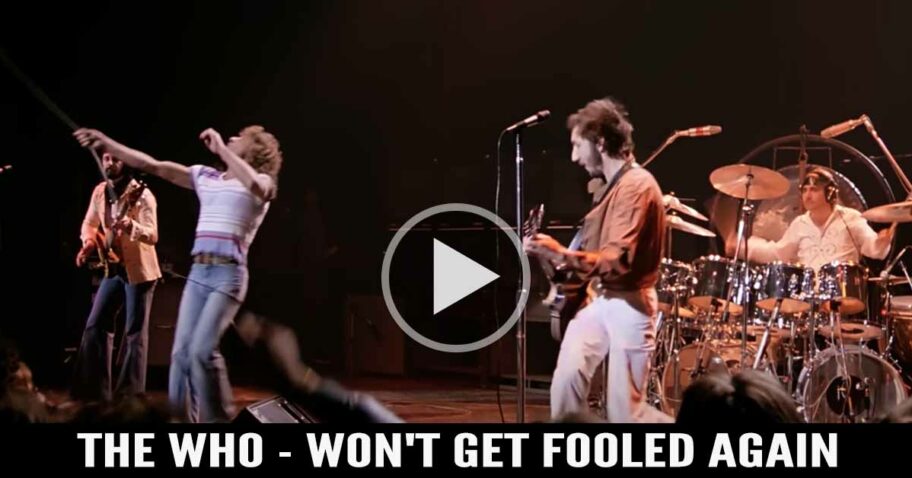
    The Who “Won’t Get Fooled Again” is a thunderous declaration of awakening and resilience. Like a phoenix rising from the ashes of disillusionment, this song captures the spirit of a generation determined to stand against the tide of deceit and manipulation. Its electrifying riffs and explosive vocals ignite a fire within, propelling us into a world where cynicism meets hope, and defiance dances with destiny.

    With every chord, The Who crafts a sonic rebellion, a battle cry for those who have seen behind the curtain of political charades and vow to never be duped again. The song is a journey, an emotional rollercoaster that ascends with fervor, dips into moments of introspection, and soars once more on the wings of unyielding resolve.

    Echoes of Revolution in the Air

    Within the walls of “Won’t Get Fooled Again,” the air is thick with the echoes of revolution. The iconic scream that punctuates the track is not just a vocal feat; it’s the sound of chains breaking, of eyes opening wide to the dawn of a new consciousness. Pete Townshend’s lyrics are a woven tapestry of defiance, each word a thread in the fabric of a movement that refuses to be silenced.

    This song doesn’t just speak; it roars with the collective voice of those who demand authenticity in an era of facades. It’s a mirror reflecting the endless cycle of power and protest, urging listeners to question, to challenge, to not blindly follow. The Who reminds us that while the faces of power may change, the fight for truth and justice remains eternal.

    “Won’t Get Fooled Again” is more than a song; it’s a manifesto for the skeptical, a handbook for the hopeful, and a reminder that in the quest for change, vigilance is our greatest weapon. It stands as a monumental ode to the power of individual thought in the face of collective deception.

    We appreciate your time and dedication in reading our article to its conclusion. For more of the finest classic rock music, make sure to follow our Facebook page, “Classic Rock Guitar”. We share exceptional selections every day. Thank you once again for your continued support and readership.

  • The Who – I Can See For Miles

    The Who – I Can See For Miles

    The Who - I Can See For Miles

    Vision Beyond the Horizon: The Expansive World of “I Can See For Miles”

    “I Can See For Miles” by The Who is not just a song; it’s a sonic odyssey that stretches beyond the horizon of conventional rock. The opening chords strike like lightning, illuminating a landscape brimming with rebellion and foresight. This track, pulsating with the raw energy of The Who, invites listeners on a journey that transcends both time and space.

    The song’s rhythm, a driving force like the relentless pounding of waves against a rugged shore, pushes boundaries and challenges norms. The guitar riffs, sharp and piercing, cut through the air like a knife, carving a path of unapologetic boldness. The drums, thunderous and commanding, echo the heartbeat of a generation poised on the edge of change.

    A Kaleidoscope of Sound and Perception

    In “I Can See For Miles,” The Who crafts a world where vision is limitless and perception knows no bounds. The lyrics, laden with metaphors, paint a picture of a mind that sees beyond the visible, reaching into the realms of the unknown. It’s like standing atop a mountain, the world sprawling endlessly beneath, every secret within sight.

    Roger Daltrey’s voice, a beacon of clarity and power, soars above the instrumentals, a bird in flight over an infinite landscape. Each word he sings is a declaration, a testament to the power of sight and insight. The song personifies vision, transforming it into a character that is both all-seeing and all-knowing.

    “I Can See For Miles” stands as a monumental piece in The Who’s repertoire, a song that encapsulates the spirit of an era while speaking to the timeless human desire for understanding and clarity. It’s a reminder that sometimes, what we see isn’t just with our eyes, but with our minds and hearts. In this track, The Who invites us to look beyond, to see the miles of possibilities that stretch out before us, waiting to be explored.

    We appreciate your time and dedication in reading our article to its conclusion. For more of the finest classic rock music, make sure to follow our Facebook page, “Classic Rock Guitar”. We share exceptional selections every day. Thank you once again for your continued support and readership.

  • The Who – Won’t Get Fooled Again

    The Who – Won’t Get Fooled Again

    The Who’s iconic anthem from 1971’s Who’s Next album performed here on B-Stage at Shepperton Studios on 25 May 1978 Filmed by Jeff Stein for the closing sequence of The Kids Are Alright. Sadly this was to be the very last performance ever by Keith Moon.

    The Who

    The Who is a rock formation founded in 1964. Her first line-up is Pete Townshend, Roger Daltrey, John Entwistle and Keith Moon. The Who is considered to be one of the best bands of all time – their work was inspired by many later groups.
    The origins of the band are the duo The Confederates founded by Townshend and Entwistle. The latter was noticed by Roger Daltrey and invited to his project called The Detours. Entwistle agreed and brought Townshend with him. The Detours was inspired by American blues and country music, and in 1964 they changed their name to The Who. Keith Moon then joined them.
    In the same year, the gentlemen became The High Numbers for a while and under this name they released the single “Zoot Suit / I’m The Face”. However, after the song was unsuccessful, the musicians fired the manager and reverted to the name The Who. One of the “ritual” activities during the group’s concerts was smashing the instruments. It was initiated in September 1964 by Pete Townshend when he smashed his guitar.

    The Who’s first single, which also became their first hit, was “I Can’t Explain”. The song was in the top ten in the UK. We could listen to the band’s debut album “My Generation” in 1965. It included such hits as the title “My Generation” or “The Kids Are Alright”. 1966 saw the next hits of The Who – “Substitute” and “I’m A Boy”, and a year later the band recorded “Happy Jack” and “Pictures Of Lilly”.

    Even though each subsequent single was equally successful, Townshend wanted to create what would become a whole made up of separate records. This is how the concept of the album “A Quick One” from 1966 was called by the band “mini opera”. Another such work is “The Who Sell Out”. However, “rock opera” could only be called the album “Tommy” released in 1969. Thanks to it, The Who became one of the biggest stars in the United States. A year later, the musicians released the album “Live At Leeds”, which is considered by some to be the best live album of all time.

    However, the greatest fame for the band was brought by the album “Who’s Next” from 1971. It got 4th place on the list of the best publishing houses in the USA and 1st place in Great Britain. The most important songs from this album are “Baba O’Riley” and “Won’t Get Fooled Again”. Another album by The Who is “Quadrophenia” released two years later. Immediately after that, the group went on a tour of the United States.

    The band returned in 1975 with the album “The Who by Numbers”, from which the recording “Squeeze Box” comes. A year later, the band played a concert at the Charlton Athletic Football Ground. The event was listed in the Guinness Book of Records as the loudest show of all time.

  • The Who – My Generation

    The Who – My Generation

    The Who is a rock formation formed in 1964. Her first squad is Pete Townshend, Roger Daltrey, John Entwistle and Keith Moon. The Who are considered one of the best bands of all time – their work inspired many later groups.

    The beginnings of the band are the duo The Confederates founded by Towshend and Entwistle. The latter was noticed by Roger Daltrey and invited to his project called The Detours. Entwistle agreed and brought Towshend with him. They created The Detours from American blues and country music, and in 1964 they changed their name to The Who. Then Keith Moon joined them.

    In the same year the gentlemen became The High Numbers for a while and released the single “Zoot Suit / I’m The Face” under this name. However, after the song was unsuccessful, the musicians dismissed the manager and returned to the name The Who. One of the “ritual” activities during the group’s concerts was smashing the instruments. He initiated it in September 1964 by Pete Townshend, smashing his guitar.

    The Who’s first single, which also became their first hit, is “I Can’t Explain.” The song was in the top ten in the UK. We could listen to the debut album of the formation entitled “My Generation” in 1965. It features such hits as the title “My Generation” and “The Kids Are Alright”. 1966 is another hit of The Who – “Substitute” and “I’m A Boy”, and a year later the band recorded “Happy Jack” and “Pictures Of Lilly”.

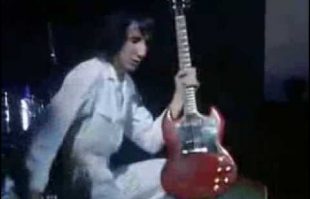
    Gibson SG with P90s. The sound of My Generation.